From Spring to Winter: A Year-Round Gutter Maintenance Plan for Johns Creek
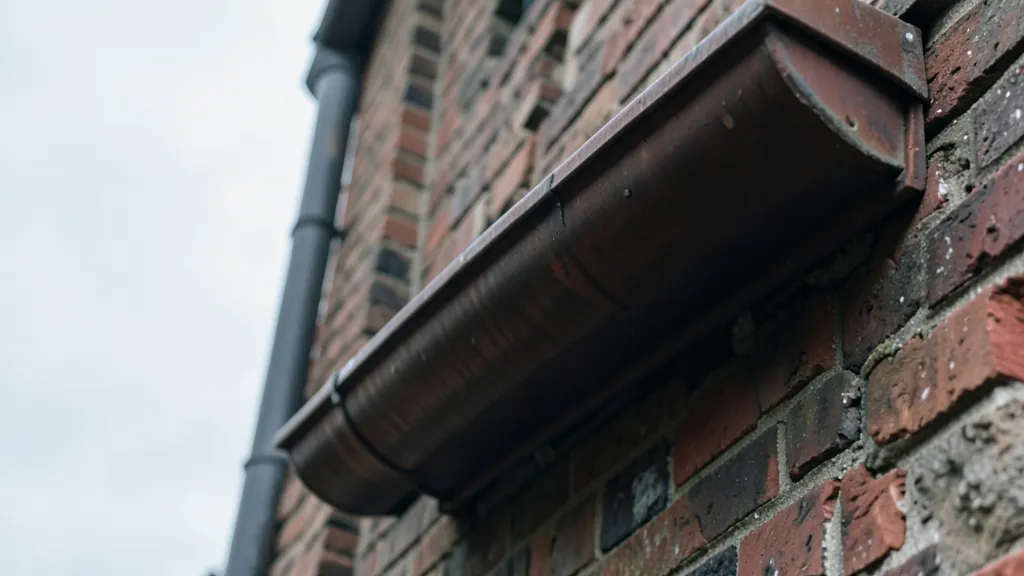
Johns Creek’s four distinct seasons bring unique challenges to your gutter system. Without a proactive plan, spring pollen, summer storms, fall leaves, and winter ice can wreak havoc. We’ve designed a year-round maintenance strategy to keep water flowing where it belongs—away from your home.
Why Johns Creek Homes Need Seasonal Gutter Care
Our humid subtropical climate means heavy rainfall year-round, with spring and summer storms dumping inches in hours. Gutters clogged with pine needles or oak leaves can’t handle that volume, leading to overflow and foundation erosion.
Winter brings freeze-thaw cycles that test gutter seams and downspouts. Ice dams form when poor drainage traps melting snow, pushing water under shingles and into attics. A seasonal plan prevents these costly issues.
Spring: Pollen, Blooms, and the First Deep Clean
March and April in Johns Creek coat gutters with yellow pollen, which mixes with rain to form a sludge that sticks to aluminum and clogs downspouts. A thorough cleaning before the spring rains is critical.
We inspect for winter damage—loose hangers, separated seams, or sagging sections—while clearing debris. This is also the ideal time to check gutter slope and reseal any leaks before the wet season peaks.
Pollen builds up fastest on north-facing gutters, which stay damp longer. Schedule a mid-spring touch-up if you notice heavy accumulation.
Summer: Storm Prep and Mid-Season Checks
Summer thunderstorms in metro Atlanta can drop 1-2 inches of rain in 30 minutes. Gutters must be clear to direct that volume safely to downspouts and splash blocks.
We recommend a mid-summer inspection, especially after heavy storms. Look for bent gutters, detached downspouts, or standing water—signs your system can’t keep up. This is also when we see the most demand for gutter guard installation in Alpharetta and Roswell.
| Type | Pros | Cons |
|---|---|---|
| Micro-Mesh | Blocks even pine needles; low maintenance | Higher upfront cost; can ice over in winter |
| Reverse-Curve | Handles heavy rain; no clogs from leaves | Less effective with small debris like pollen |
| Screen | Budget-friendly; easy DIY install | Clogs with fine debris; requires frequent cleaning |
Fall: The Leaf Onslaught and Downspout Defense
October and November are the most critical months for gutter maintenance. Johns Creek’s oak, maple, and hickory trees shed leaves that pack into gutters and downspouts, creating dams that overflow during winter rains.
We clean gutters at least twice in fall—once in early October and again after the last leaves drop. This is also the time to check downspout strainers and ensure water exits at least 5 feet from your foundation.
Fall Gutter Maintenance Checklist
- Clear all leaves and twigs from gutters and downspouts
- Test downspout flow with a hose to confirm no blockages
- Inspect for rust, cracks, or separated seams
- Trim overhanging branches to reduce future debris
- Verify splash blocks are in place and undamaged
Winter: Ice Dam Prevention and Frozen Downspout Fixes
Winter in Johns Creek is milder than up north, but freeze-thaw cycles still stress gutters. Ice dams form when poor attic insulation melts snow unevenly, refreezing at the colder eaves.
We focus on ensuring proper gutter slope and sealing gaps where ice can lift shingles. For homes in higher elevations near Suwanee or Duluth, we also recommend heat tape for downspouts to prevent freezing.
Icicles hanging from gutters are a sign of poor drainage or attic insulation issues. Address these immediately to avoid water intrusion.
Gutter Materials: What Works Best in Our Climate
Aluminum gutters are the most common in Johns Creek due to their rust resistance and affordability. They handle our humidity well but can dent in hailstorms common to Peachtree Corners and Roswell.
Copper gutters offer superior durability and a distinctive look but require professional installation and develop a patina over time. Steel gutters are stronger but prone to rust if not galvanized or coated.
Signs Your Gutters Need Professional Attention
Sagging gutters indicate clogs or failing hangers. Overflow during rain, even after cleaning, often means improper slope or undersized gutters for your roof’s pitch.
Water stains on fascia or peeling paint are red flags. If you notice these, schedule a gutter and roof inspection. We often find that homes in older neighborhoods like Medlock Bridge or St. Ives need gutter resealing or resloping.
How to Inspect Your Gutters Between Professional Cleanings
A quick DIY inspection can catch issues early and extend the life of your system.
- 1Safety First
Use a sturdy ladder on level ground, and have a spotter. Never lean the ladder against the gutters themselves—they may not support your weight.
- 2Check for Visible Debris
Look for leaves, pine needles, or sediment buildup. Even small piles can indicate a clog forming in downspouts.
- 3Test Water Flow
Run a hose into the gutters. Water should flow smoothly to downspouts and exit away from the foundation. Pooling or drips signal blockages or slope issues.
- 4Inspect Seams and Hangers
Look for gaps, rust, or sagging sections. Pay special attention to corners and end caps, which are prone to leaks.
- 5Examine Downspouts
Ensure they’re securely attached and free of dents. Use a plumber’s snake or hose to clear any blockages from the top or bottom.
Frequently Asked Questions
How often should I clean my gutters in Johns Creek?
Most homes need cleaning twice a year—once in spring and once in fall. However, if you have mature trees or live in a wooded area like near the Chattahoochee, we recommend 3-4 cleanings annually.
Can gutter guards eliminate the need for cleaning?
No system is 100% maintenance-free. Micro-mesh guards reduce cleaning frequency but still need occasional attention, especially after heavy storms. Reverse-curve and screen guards may require more frequent checks.
Why do my gutters overflow even after cleaning?
Overflow often indicates improper slope, undersized gutters for your roof’s drainage area, or clogged downspouts. A professional inspection can identify the root cause and recommend solutions like resloping or upsizing.
Are seamless gutters worth the investment for Johns Creek homes?
Seamless gutters reduce leak points and require less maintenance, making them a smart choice for our climate. They’re custom-fitted on-site and typically last longer than sectional gutters, especially in areas with frequent storms.
How should you handle gutter maintenance for a large property in Johns Creek?
For larger homes or commercial properties, we recommend a customized maintenance plan that includes scheduled cleanings, inspections, and priority service after storms. This ensures consistent performance across all gutters and downspouts.
Do I need to clean gutters on a new home?
Yes. Even new gutters can accumulate debris, especially during construction. A post-construction cleaning removes nails, roofing grit, and other materials that can clog the system early on.