Why DIY Gutter Cleaning in Johns Creek Might Not Be Enough
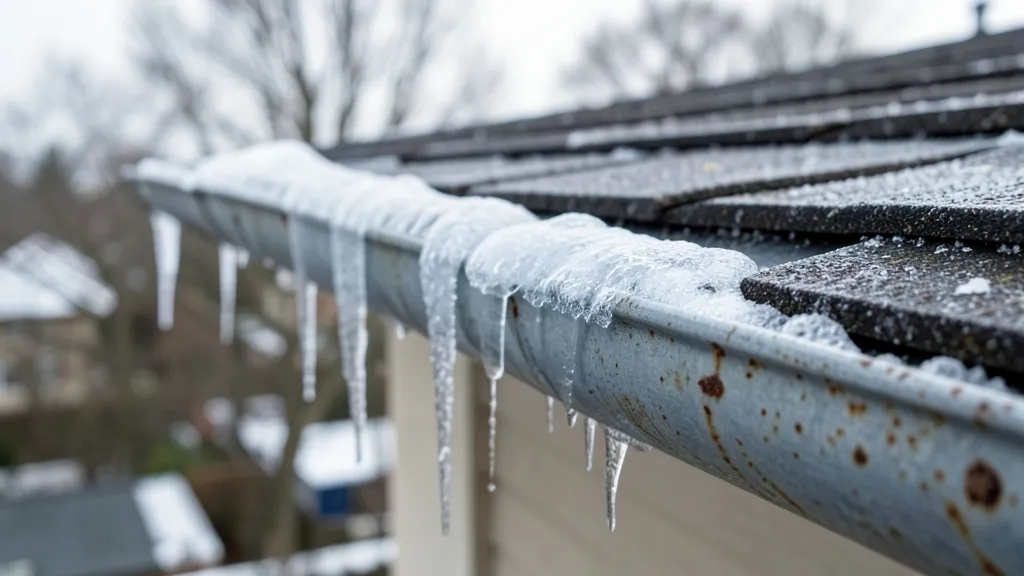
Clearing gutters yourself feels like a weekend win—until you miss the hidden clogs, overlook early rust, or realize your downspouts are still backed up. In our area’s humid climate, what looks clean can still brew trouble. We’ve seen DIY efforts in Johns Creek leave homes vulnerable to water damage, pests, and costly repairs down the line.
The Illusion of a Clean Gutter
Stand on the ground, glance up, and your gutters may look fine. But pine needles, oak leaves, and seed pods pack into downspouts and hidden corners, creating dams that DIY cleaning often misses.
Even if the trough appears empty, debris can cling to the roof side of the gutter, unseen from below. This buildup accelerates rust and compromises the slope, leading to poor drainage.
What you can’t see from a ladder—like clogs at the downspout elbow or inside the gutter’s back channel—can cause the most damage. These are the spots pros check with specialized tools.
Ladder Risks and Property Damage
Extension ladders on uneven driveways or soft landscaping beds are a common DIY hazard. One misstep can damage gutters, dent fascia, or worse—lead to a fall.
Improper ladder placement can also bend or detach gutters from their hangers. K-style and half-round systems both require careful handling to avoid costly repairs.
Hidden Problems DIYers Overlook
Sagging sections, separated miters, and failing end caps are early signs of trouble. Without a trained eye, these issues go unnoticed until water starts pooling or leaking.
We also spot subtle slope problems. Gutters should pitch slightly toward downspouts; even a half-inch misalignment causes standing water and accelerates corrosion.
Signs Your DIY Cleaning Missed the Mark
- Water spills over the gutter edges during rain
- Visible rust or peeling paint on the gutter exterior
- Downspouts that drain slowly or not at all
- Gutters pulling away from the fascia
- Pest activity (insects, rodents) near the roofline
Downspout Neglect: The Silent Culprit
Clean gutters won’t help if downspouts are clogged. DIYers often skip the downspout snake or pressure-washing step, leaving blockages that cause backups into the gutter system.
In Johns Creek’s heavy rainfall seasons, a single clogged downspout can redirect hundreds of gallons of water against your foundation, siding, or basement.
Gutter Guards Aren’t a Set-It-and-Forget-It Solution
Many homeowners in Alpharetta, Roswell, and Suwanee install gutter guards to reduce maintenance. But micro-mesh, reverse-curve, and leaf filter systems still need periodic cleaning.
Small debris like shingle grit, pollen, and pine needles can accumulate on top of guards, creating a new layer of clogs. Guards still require inspection and occasional clearing.
| Guard Type | Effectiveness Against Leaves | Maintenance Frequency | Best For |
|---|---|---|---|
| Micro-Mesh | High | Annual or Bi-Annual | Heavy leaf fall areas |
| Reverse-Curve | Moderate | Bi-Annual | Light to moderate debris |
| Leaf Filters | Moderate | Seasonal | Pine needle-prone zones |
| Foam Inserts | Low | Frequent | Low-debris environments |
The Long-Term Cost of Shortcuts
Skipping professional inspections means missing early signs of wear. Small leaks, loose hangers, or failing sealant can lead to fascia rot, soffit damage, or even roof leaks if ignored.
In neighborhoods like Peachtree Corners and Duluth, where homes often feature complex rooflines and multiple gutter runs, DIY efforts can overlook critical details that pros catch.
Take photos before and after cleaning. This helps track changes over time and provides a reference if you suspect hidden damage or poor drainage patterns.
When to Call in the Pros
If your gutters are two stories high, or your roof has steep pitches or valleys, professional cleaning is the safer choice. Our team uses stabilized ladders, harnesses, and extendable tools to reach tough spots.
We also handle gutter repair, resealing, and resloping as part of our service. If we spot sagging, leaks, or improper pitch during cleaning, we can address it immediately to prevent further damage.
How to Inspect Your Gutters Like a Pro
A thorough inspection takes just a few minutes and can reveal hidden issues before they escalate.
- 1Check for Visible Debris
Walk around your home and look for leaves, twigs, or sediment in the gutters. Pay special attention to corners and downspout entrances.
- 2Test the Slope
Use a garden hose to run water through the gutters. It should flow smoothly toward the downspouts without pooling.
- 3Inspect Downspouts
Ensure water exits the downspout at the bottom and flows away from the foundation. Use a plumber’s snake if the flow is slow.
- 4Look for Damage
Check for rust, peeling paint, separated seams, or sagging sections. Also, inspect the fascia and soffit for water stains or rot.
- 5Assess Hanger Security
Gently press on the gutters. If they move or feel loose, the hangers may need reinforcement or replacement.
Frequently Asked Questions
How often should I clean my gutters in Johns Creek?
Most homes need gutter cleaning twice a year—once in late spring and again in early fall. However, if your property has heavy tree cover (common in Suwanee and Roswell), you may need quarterly cleanings to prevent clogs and overflow.
Can I clean my gutters with a pressure washer?
Pressure washers can clear debris but risk damaging gutters if used improperly. High pressure can dent aluminum gutters, dislodge sealant, or even detach sections from hangers. We recommend hand-scooping debris first, then using a gentle stream to flush the system.
What’s the biggest mistake DIYers make when cleaning gutters?
Focusing only on the trough and ignoring the downspouts. Clogged downspouts render the entire system useless, leading to water backup, overflow, and potential foundation damage. Always check and clear downspouts as part of your cleaning routine.
Do gutter guards eliminate the need for cleaning?
No. While gutter guards reduce the frequency of cleaning, they don’t eliminate it. Fine debris like pollen, shingle grit, and pine needles can still accumulate on top of or within the guard system, requiring periodic maintenance.
How do I know if my gutters need repair or replacement?
Signs like persistent sagging, visible rust, separated seams, or water pooling in sections indicate the need for repair. If you notice widespread damage, frequent leaks, or gutters pulling away from the roof, it may be time for a full replacement. Request a quote for a professional assessment.
Is gutter cleaning necessary for commercial properties in Johns Creek?
Absolutely. Commercial buildings, especially those with large roof areas or flat roofs in areas like Alpharetta and Peachtree Corners, are prone to rapid debris buildup. Neglected gutters can lead to water intrusion, structural damage, and even liability risks for businesses.