How to Fix Sagging Gutters Without Damaging Your Johns Creek Home
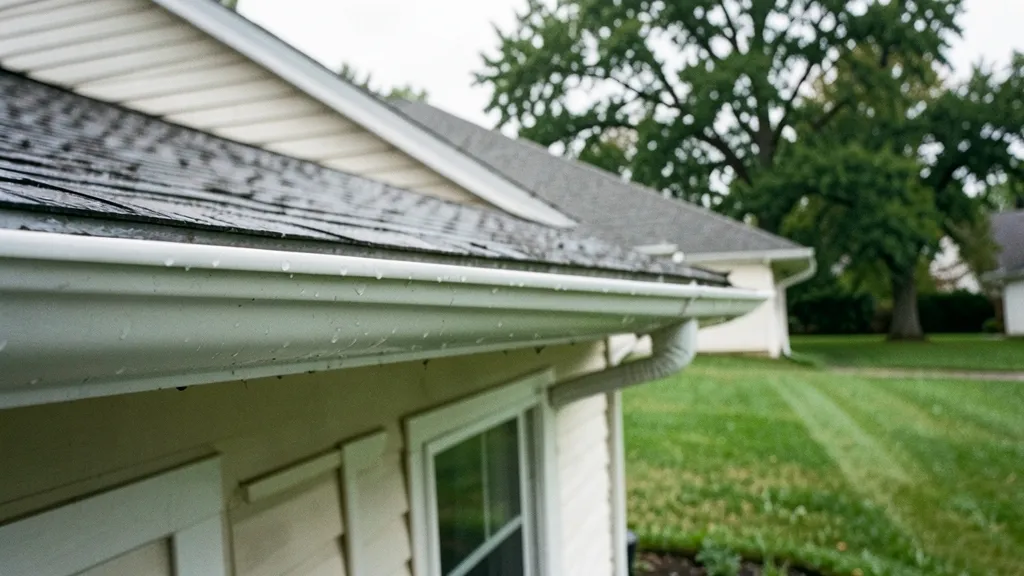
Sagging gutters are more than an eyesore—they’re a ticking time bomb for water damage to your roof, siding, and foundation. In our area’s humid climate, even a slight dip can trap standing water, breeding mosquitoes and accelerating rot. We’ll show you how to diagnose and fix the issue safely, before it costs you far more than a weekend project.
Why Gutters Sag in the First Place
The most common culprit is failing gutter hangers. Over time, spikes and ferrules loosen, especially in older homes with wooden fascia. Heavy debris, ice buildup in winter, or even a single severe storm can pull gutters out of alignment.
Improper pitch is another frequent issue. Gutters should slope ¼ inch for every 10 feet toward downspouts. If they’re level—or worse, sloped the wrong way—water pools, adding weight and stress.
In Johns Creek, rapid temperature swings can also warp aluminum or vinyl gutters. Expanding and contracting metal weakens fasteners, while vinyl becomes brittle with age.
Signs Your Gutters Are Sagging (and What’s at Stake)
Visible dips or sections pulling away from the roofline are red flags. You might also notice water spilling over the sides during rain, or puddles forming directly below the sag.
Check for gaps between the gutter and fascia. Even a half-inch separation means hangers have failed. Left unaddressed, water can seep behind the gutter, rotting fascia and soffits.
Downspout misalignment often accompanies sagging. If water isn’t draining efficiently, it backs up, worsening the problem. In neighborhoods like Medlock Bridge or St. Ives, where homes sit on slopes, improper drainage can erode landscaping and compromise foundations.
If you see water staining the siding or a ‘drip line’ of mineral deposits, your gutters are already overflowing. This isn’t just a cosmetic issue—it’s a sign of structural failure.
Tools and Materials You’ll Need
Gather a sturdy ladder (extension or multi-position), work gloves, and safety glasses. A garden hose with a spray nozzle helps test drainage after repairs.
For hanger replacement, you’ll need new hangers (hidden or strap-style for most homes), gutter spikes, ferrules, and a drill/driver. A level, measuring tape, and chalk line ensure proper slope.
If re-sealing seams, pick up gutter sealant or butyl tape. For severe sagging, a gutter re-sloping tool or a helper to hold sections in place can save time and frustration.
Sagging Gutter Repair Kit
- Ladder (fiberglass for electrical safety)
- Work gloves and safety glasses
- Garden hose with spray nozzle
- New gutter hangers (hidden or strap)
- Gutter spikes and ferrules
- Drill/driver and bits
- Level, measuring tape, chalk line
- Gutter sealant or butyl tape
- Helper (for long sections)
Hidden Hangers vs. Spikes and Ferrules: What’s Best for Your Home?
Traditional spikes and ferrules are common in older homes but tend to loosen over time. They’re driven through the gutter and fascia, which can split wood if over-tightened.
Hidden hangers (or inside-mount hangers) clip onto the gutter’s back edge and screw into the fascia. They’re stronger, distribute weight better, and don’t puncture the gutter bottom.
Strap hangers wrap under the gutter and attach to the roof deck. They’re ideal for heavy-duty applications or areas with frequent storms, like parts of Johns Creek near the Chattahoochee.
| Type | Pros | Cons |
|---|---|---|
| Spikes & Ferrules | Inexpensive, easy to install | Loosens over time, can split fascia |
| Hidden Hangers | Stronger, no gutter punctures, better weight distribution | Slightly pricier, requires precise placement |
| Strap Hangers | Heavy-duty, supports more weight, good for steep roofs | More visible, harder to install on existing gutters |
Step-by-Step: Realigning Sagging Gutters
Start by removing debris and flushing the gutters with a hose. Clear downspouts too—clogs can cause backups that worsen sagging.
Locate the lowest point of the sag. This is often where a hanger has failed. Use a level to check the slope toward the nearest downspout. Adjust as needed to restore the ¼-inch-per-10-feet pitch.
If hangers are loose, tighten them. If they’re damaged or missing, replace them. For hidden hangers, snap them into the gutter’s lip and screw them into the fascia. Space hangers every 18–24 inches for aluminum gutters, closer for heavier materials.
For long runs, fix one section at a time to avoid overloading the remaining hangers. Use a helper to hold the gutter in place while you secure new hangers.
When to Call a Pro: Red Flags for DIYers
If your fascia is rotted or crumbling, it won’t hold new hangers. In this case, you’ll need to repair or replace the fascia first—a job best left to professionals.
Gutters pulling away from the roof edge may indicate a larger structural issue. This often happens in older homes in areas like Roswell or Alpharetta, where fascia boards have deteriorated over decades.
If you’re uncomfortable on a ladder or your home has multiple stories, hiring a local gutter repair specialist is safer. We also recommend professional help for copper gutters, which require soldering and specialized tools.
Preventing Future Sagging in Johns Creek’s Climate
Regular gutter cleaning is your first line of defense. In our area, pine needles and oak leaves clog gutters fast, especially in fall and spring. Aim for at least two cleanings per year—more if you have overhanging trees.
Consider gutter guards to reduce debris buildup. Mesh or reverse-curve guards work well, but they’re not maintenance-free. We often install them for homeowners in Suwanee and Peachtree Corners who want to minimize ladder time.
Inspect hangers annually. Tighten loose ones and replace any that are bent or corroded. Also, check for rust or cracks in the gutters themselves—these can lead to leaks and further sagging.
After heavy storms or ice events, walk around your home and visually inspect the gutters. Early intervention can prevent costly repairs down the line.
How to Replace a Failed Gutter Hanger
Replacing a single hanger is a manageable DIY task if you follow these steps carefully.
- 1Remove Debris and Old Hanger
Clear the gutter section of leaves and dirt. Use a drill to remove the old hanger’s screws or pry out the spike and ferrule. If the ferrule is stuck, tap it out gently with a hammer.
- 2Position the New Hanger
For hidden hangers, clip the new hanger onto the gutter’s back lip. For strap hangers, loop it under the gutter and align it with the roof deck.
- 3Mark and Drill Pilot Holes
Hold the hanger in place and mark the screw locations on the fascia. Drill pilot holes to prevent splitting the wood.
- 4Secure the Hanger
Drive screws through the hanger into the fascia. For strap hangers, secure the other end to the roof deck. Ensure the gutter is level and properly sloped.
- 5Test the Repair
Run water from a hose into the gutter. Check for proper drainage and ensure the section no longer sags. Adjust the slope if needed.
Frequently Asked Questions
How much does it cost to fix sagging gutters in Johns Creek?
The cost depends on the extent of the damage, the type of hangers needed, and whether fascia repair is required. Factors like gutter material (aluminum vs. copper) and home height also play a role. For an accurate estimate, request a quote from a local pro.
Can I fix sagging gutters from the ground?
Not safely or effectively. Sagging gutters require access to the fascia and roofline, which means using a ladder. Ground-based tools like gutter cleaning wands won’t address structural issues. Always prioritize safety—if you’re unsure, call a professional.
Why do my gutters sag more in winter?
Ice and snow add significant weight to gutters. In Johns Creek, freeze-thaw cycles can cause ice dams, which pull gutters downward. Poor attic insulation and ventilation often contribute to ice dam formation, so addressing those issues can help.
Will gutter guards prevent sagging?
Gutter guards reduce debris buildup, which can lessen the weight on your gutters. However, they don’t address failing hangers or improper slope. Think of them as a complement to regular maintenance, not a standalone solution.
How often should I inspect my gutters for sagging?
Inspect your gutters at least twice a year—once in spring and once in fall. After major storms, high winds, or hail, do a quick visual check. In areas with dense tree cover, like parts of Duluth, more frequent inspections may be necessary.
Can sagging gutters cause roof leaks?
Yes. Sagging gutters can pull away from the roof edge, creating gaps where water seeps under shingles. Over time, this leads to roof leaks, rotted decking, and even interior water damage. Fixing sagging gutters early protects your entire roofing system.