How to Extend the Life of Your Gutters in Johns Creek
Gutters take a beating in our area—heavy rain, falling leaves, and the occasional ice storm wear them down faster than you’d think. With the right care, we’ve seen gutters last decades instead of years. Here’s how to protect your investment and avoid costly repairs or replacements.
Why Gutter Lifespan Varies in Our Climate
Johns Creek’s humid subtropical climate means gutters face constant moisture, which accelerates rust in steel and corrosion in older systems. Aluminum holds up better but isn’t immune to wear.
Seasonal debris—pine needles from Alpharetta’s trees, oak leaves from Roswell—clog gutters quickly, trapping water.
Winter’s occasional freeze-thaw cycles can also stress seams and joints, leading to leaks or separation over time.
Material Matters: How Long Gutters Last
Not all gutters age the same. Material choice directly impacts durability, maintenance needs, and resistance to local conditions.
| Material | Average Lifespan (Years) | Pros | Cons |
|---|---|---|---|
| Aluminum | 20-30 | Lightweight, rust-resistant, affordable | Can dent, less durable in hail |
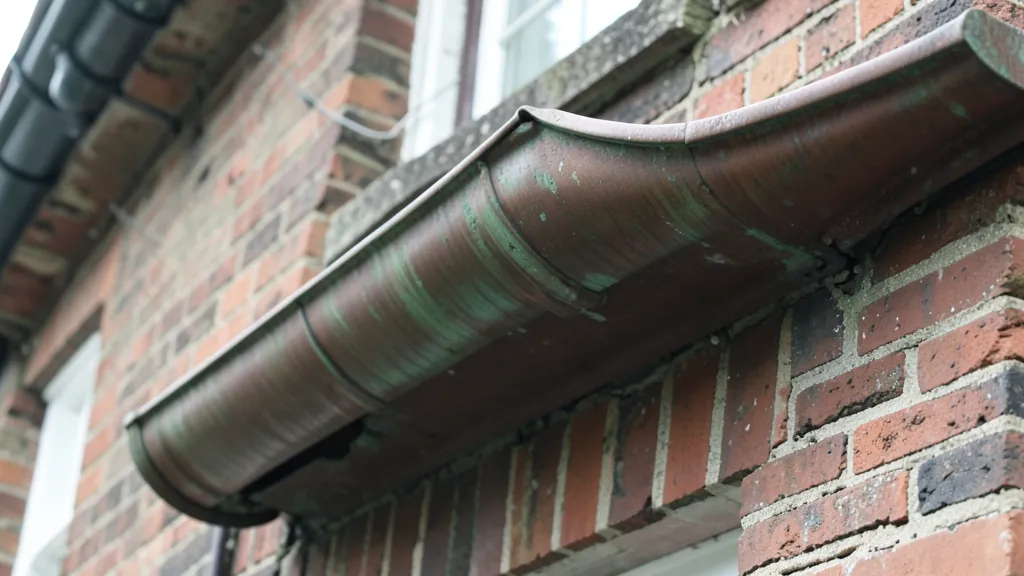
| Copper | 50-100+ | Extremely durable, elegant patina, corrosion-proof | Expensive, requires professional installation |
| Vinyl | 10-20 | DIY-friendly, low cost, no rust | Brittle in cold, fades in UV, cracks over time |
| Galvanized Steel | 15-25 | Strong, handles heavy debris loads | Prone to rust, heavier, requires frequent sealing |
The Role of Regular Cleaning in Gutter Longevity
Clogged gutters overflow, sending water cascading down fascia and siding. This erodes soil, damages foundations, and shortens gutter life by years.
We recommend cleaning at least twice a year—once in late spring after pollen season, and again in fall after leaves drop. Homes near wooded areas in Suwanee or Peachtree Corners may need quarterly attention.
Professional cleaning removes debris *and* inspects for early signs of wear, like loose fasteners or failing seals.
Downspout cleaning is often overlooked. A clear downspout prevents backups that can warp or detach gutters entirely.
Preventative Maintenance That Adds Years to Your Gutters
Resealing end caps and miters every 2-3 years prevents leaks that weaken gutter structure. Use high-quality silicone or butyl sealant for best results in our humid air.
Resloping gutters ensures proper drainage. Even a slight sag can cause water to pool, leading to rust or rot in the fascia. We adjust slope during inspections as needed.
Installing gutter guards reduces debris buildup by 80-90%, cutting cleaning frequency and reducing strain on the system. They’re especially worth it for homes with mature trees.
Storm Damage: Johns Creek’s Silent Gutter Killer
Our area’s pop-up thunderstorms can dump inches of rain in an hour. If gutters aren’t securely fastened, the weight of trapped water can pull them away from the roof.
Hail and wind can dent aluminum gutters or dislodge downspouts. After major storms, we often see damage in Duluth and Suwanee from falling branches or debris.
Prompt storm damage cleanup prevents secondary issues like mold or structural damage to your roof deck.
Even small dents or misaligned sections can lead to big problems. Schedule a roof and gutter inspection within 48 hours of severe weather.
When to Repair vs. Replace Your Gutters
Minor issues—loose hangers, small leaks, or a single sagging section—are usually repairable. We often reseal joints or reinforce brackets to restore function.
Replace gutters if you see widespread rust, multiple cracks, or sections pulling away from the roof. These are signs of structural failure.
For older homes in Roswell or Alpharetta, upgrading to larger gutters (5-6 inch) can handle heavier rainfall and extend the system’s usable life.
Signs It’s Time for a Pro
- Gutters are pulling away from the roof line
- Visible rust or holes in multiple sections
- Water marks or erosion directly below gutters
- Peeling paint or rot on fascia/soffit
Commercial vs. Residential Gutter Care
Commercial buildings in Peachtree Corners or Johns Creek’s business districts often have box gutters or larger-capacity systems. These require more frequent cleaning due to surface area and debris load.
Flat roofs on commercial properties can exacerbate clogging. We use specialized equipment to safely clean and inspect these systems without damaging the roof membrane.
Residential gutters benefit from more personalized attention, like custom gutter guard solutions for unique roof lines or landscaping.
DIY vs. Professional Gutter Maintenance
DIY cleaning is possible for single-story homes with stable ladders and proper safety gear. However, most homeowners miss hidden clogs in downspouts or early signs of damage.
Professionals bring tools like gutter vacuums, pressure washers, and inspection cameras. We also have the training to spot issues like improper pitch or failing hangers.
For homes with steep roofs or multi-story buildings, hiring a pro isn’t just convenient—it’s the safest choice.
How to Inspect Your Gutters for Early Signs of Wear
A quick visual check can reveal problems before they escalate.
- 1Check for Sagging
Walk around your home and look for sections of gutter that dip or pull away from the roof. Use a level to verify proper slope (1/4 inch per 10 feet).
- 2Look for Leaks or Rust
After rain, scan for water dripping from seams or rust spots. Pay special attention to joints and end caps.
- 3Inspect Downspouts
Ensure downspouts are securely attached and direct water at least 5 feet away from the foundation. Check for clogs by tapping the side—dull thuds indicate blockages.
- 4Examine Fascia and Soffit
Peeling paint, rot, or water stains on the fascia or soffit suggest gutter overflow or leaks. Address these quickly to prevent structural damage.
- 5Test Drainage
Use a hose to simulate rainfall. Water should flow smoothly to downspouts without pooling. If it doesn’t, your gutters may need resealing or resloping.
Frequently Asked Questions
How often should I clean my gutters in Johns Creek?
Most homes need cleaning twice a year—spring and fall. If you’re surrounded by trees (common in Alpharetta or Roswell), aim for every 3-4 months. Heavy storms may require additional spot checks.
Do gutter guards really extend the life of my gutters?
Yes. By reducing debris buildup, gutter guards minimize clogs, standing water, and the strain on your system. They’re a cost-effective upgrade for long-term protection, especially in leafy neighborhoods like Suwanee.
What’s the most common cause of gutter failure in our area?
Clogged gutters leading to water overflow. This causes erosion, fascia damage, and even foundation issues. Regular cleaning and proper downspout maintenance prevent 90% of these problems.
Can I repair my gutters myself?
Small repairs like resealing a joint or reattaching a hanger are DIY-friendly if you’re comfortable on a ladder. For sagging sections, widespread rust, or storm damage, call a pro. Safety and precision matter.
How do I know if my gutters are properly sloped?
Gutters should slope 1/4 inch for every 10 feet toward the downspout. You can check this with a level and measuring tape. If water pools, they may need resloping.
Are there local factors in Johns Creek that affect gutter lifespan?
Absolutely. Our high humidity speeds up corrosion, while frequent storms and falling debris (like pine needles) increase wear. Homes near wooded areas or in older neighborhoods may need more frequent maintenance.