Gutter Maintenance: How Often Is Enough in Johns Creek?
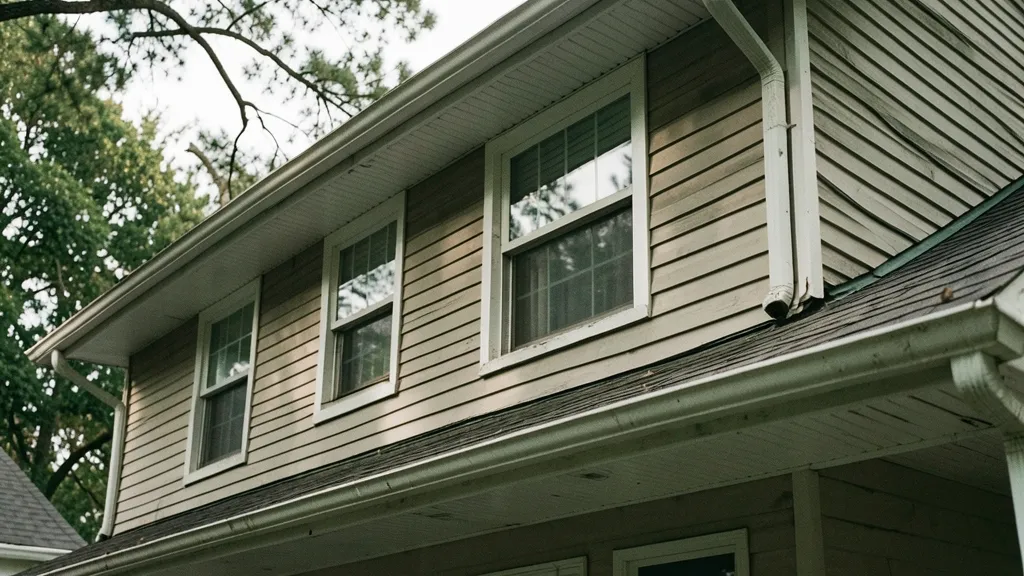
Johns Creek’s mix of hardwoods, pines, and seasonal storms means gutters take a beating. We’ve seen firsthand how neglect leads to fascia rot, foundation cracks, and even roof leaks. The right cleaning schedule protects your home—and your wallet—long-term.
Why Gutter Cleaning Frequency Isn’t One-Size-Fits-All
Every home’s needs differ. A ranch under towering oaks in Chattahoochee River hills demands more attention than a townhome in Technology Park with minimal tree cover.
Roof pitch matters too. Steeper roofs shed debris faster, while low-slope designs trap leaves and pine needles, accelerating clogs. Even gutter type plays a role—K-style gutters collect more debris than half-round in heavy foliage zones.
The 4 Key Factors That Dictate Your Cleaning Schedule
Tree coverage is the biggest variable. Mature oaks, pines, and sweetgums drop debris year-round, not just in fall. Homes in wooded neighborhoods like St. Ives often need cleanings every 3–4 months.
Climate adds another layer. Johns Creek’s humid summers breed moss and algae in gutters, while winter’s occasional ice can create dams if downspouts are clogged. Storm season—especially microbursts—dumps twigs and shingle grit overnight.
Roof material influences debris too. Asphalt shingles shed granules; cedar shakes drop fibers. Both accumulate in gutters, reducing capacity and speeding up corrosion.
| Factor | Low Impact | Moderate Impact | High Impact |
|---|---|---|---|
| Tree Coverage | Minimal (0–1 large trees within 30 ft) | Moderate (2–3 trees or dense shrubs) | Heavy (4+ large trees or pine/oak canopy) |
| Roof Pitch | Steep (6/12 or greater) | Moderate (4/12–6/12) | Low (3/12 or less) |
| Neighborhood | Open area (e.g., Technology Park) | Mixed (e.g., Medlock Bridge) | Wooded (e.g., St. Ives, River Club) |
| Storm Exposure | Rare high winds | Occasional storms | Frequent microbursts or heavy rain |
Seasonal Gutter Maintenance: A Johns Creek Timeline
Spring (March–April): Pollen and seed pods clog gutters fast. A post-winter cleaning removes winter buildup and preps for April showers.
Summer (June–July): Humidity and pop-up storms mean gutters fill with organic sludge. Mid-summer cleanings prevent mosquito breeding and fascia stains.
Fall (October–November): The critical season. Oak leaves and pine needles create dense mats that block downspouts. Two cleanings—early fall and after leaf drop—are often essential.
Winter (December–February): Less debris, but ice dams can form if gutters aren’t clear. A pre-winter check ensures downspouts drain freely before freezing temps.
Pine needles decompose slowly and pack tightly. If your home is surrounded by pines, schedule an extra cleaning in late summer to avoid overflows during fall rains.
Signs Your Gutters Need Cleaning (Even If It’s Not ‘Time’ Yet)
Overflowing during rain is the most obvious red flag. Water spilling over sides means clogs or improper slope—both require attention.
Sagging gutters or pulling away from the fascia signal weight from trapped debris or water. Left unchecked, this can damage soffits and roof edges.
Birds or pests nesting in gutters are a sure sign of stagnant debris. Their activity can dislodge downspouts or create blockages deeper in the system.
Stains on siding or mildew at the foundation often trace back to clogged gutters. Water isn’t being directed away, leading to moisture damage below.
When to Call for an Inspection
- Visible sagging or separation from the roof
- Water marks or peeling paint beneath gutters
- Downspouts not draining within 10–15 seconds of rain stopping
- Rust, corrosion, or white mineral streaks on gutter exteriors
Gutter Guards: Do They Change the Maintenance Equation?
Gutter guards reduce debris buildup but don’t eliminate cleaning. Fine particles like shingle grit and pollen still accumulate on top of screens, requiring occasional flushing.
Not all guards perform equally. Reverse-curve systems (e.g., LeafGuard) handle heavy foliage better than mesh or foam, but they’re pricier. We often recommend them for homes in St. Ives or River Club with dense tree cover.
Even with guards, downspouts can clog. Annual inspections ensure they’re clear and the system’s slope hasn’t shifted over time.
No guard stops all debris. Pine needles can slide under some mesh types, and ice dams can still form in winter if heat escapes from the attic.
What Happens If You Skip Cleanings?
Clogged gutters lead to water pooling, which accelerates rust in steel gutters or warping in aluminum. Over time, this weakens the entire system.
Ice dams in winter can tear gutters from the fascia. Johns Creek’s occasional cold snaps make this a real risk for homes with poor attic insulation.
Foundation damage is the costliest consequence. Water overflowing near the base erodes soil, cracks driveways, and can even shift footings. We’ve seen repair bills in the tens of thousands from neglected gutters.
Landscaping suffers too. Overflow can carve trenches in flower beds or drown shrubs near the home’s perimeter.
DIY vs. Professional Cleaning: Know Your Limits
DIY works for single-story homes with minimal debris. A sturdy ladder, gloves, and a gutter scoop can clear light buildup. But safety is paramount—falls from ladders are a leading cause of homeowner injuries.
Multi-story homes or steep roofs require professional equipment. We use extendable wands, high-pressure vacuums, and downspout snakes to clear blockages without damaging gutters.
Professionals also inspect for hidden issues: loose hangers, separated seams, or early signs of rust. Catching these early prevents costly repairs later.
Beyond Cleaning: When to Consider Repairs or Upgrades
If gutters sag repeatedly, the issue might be insufficient hangers or improper spacing. Reinforcing with additional hidden hangers can restore stability.
Seamless gutters reduce leak points but aren’t immune to clogs. If your current system is old or damaged, an upgrade may save money long-term.
Downspout extensions are critical in Johns Creek’s clay soil. Without them, water pools near the foundation. We often add 4–6 foot extensions to direct water at least 5 feet from the home.
How to Inspect Your Gutters Between Cleanings
A quick visual check can reveal problems before they escalate.
- 1Safety First
Use a stable ladder on level ground. Never lean the ladder against the gutters themselves—they may not support your weight.
- 2Check for Visible Debris
Look for leaves, twigs, or standing water in the gutter troughs. Even small piles can indicate a clog forming.
- 3Test Downspout Flow
Run a hose into the gutter and watch the downspout. If water backs up or trickles out, there’s a blockage.
- 4Inspect for Damage
Note any rust, peeling paint, or separations at seams. These are signs of wear that may require resealing or replacement.
- 5Examine the Foundation
Walk the perimeter after rain. Look for erosion, water stains, or pooling near the base—all red flags for gutter issues.
Frequently Asked Questions
How often should I clean gutters if I have a lot of pine trees in Johns Creek?
With heavy pine coverage, we recommend cleanings every 3–4 months. Pine needles decompose slowly and can create dense, water-resistant mats that clog downspouts quickly.
Can I wait until fall to clean my gutters?
Not if you have mature trees. Spring pollen and summer storms can fill gutters before leaves even start falling. A mid-year cleaning prevents overflows during summer downpours.
Do gutter guards really eliminate the need for cleaning?
No. Guards reduce maintenance but don’t stop all debris. Fine particles like pollen, shingle grit, and pine needles can still accumulate, requiring periodic flushing or inspection.
What’s the most common gutter problem you see in Johns Creek homes?
Clogged downspouts from oak leaves and pine needles. Many homeowners clean the troughs but overlook the downspouts, leading to hidden blockages that cause overflows.
Should I clean gutters myself or hire a pro?
For single-story homes with easy access, DIY can work if you’re comfortable on a ladder. For two-story homes, steep roofs, or heavy debris, professionals have the tools and safety training to do the job thoroughly.
How do I know if my gutters are sloped correctly?
Gutters should drop about 1/4 inch for every 10 feet toward the downspout. If water pools in sections, the slope may be off. A professional can adjust hangers to restore proper flow.