How Often Should You Inspect Your Gutters in Johns Creek?
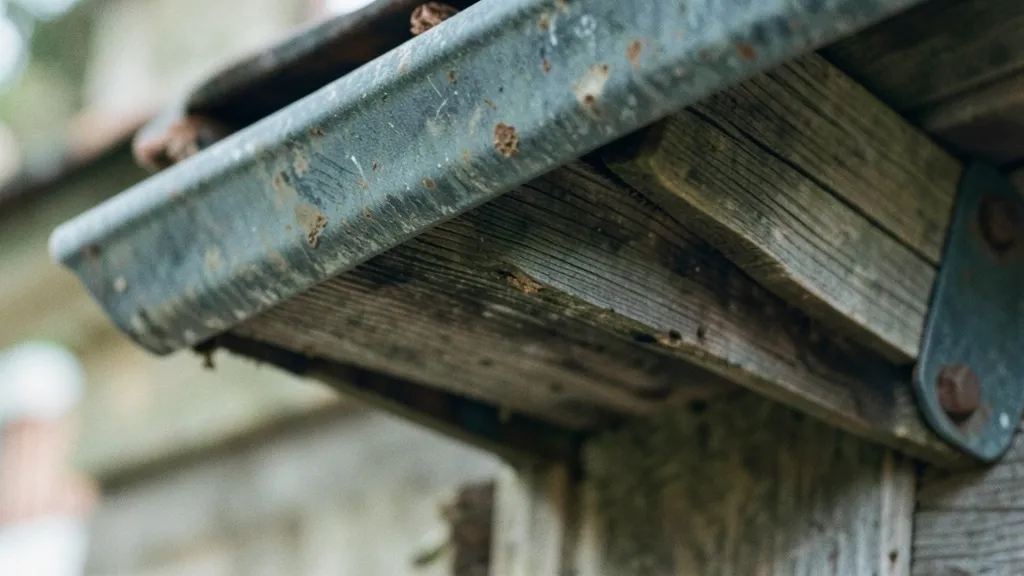
Gutters in our area take a beating—pine needles, oak leaves, and sudden downpours can overwhelm even well-maintained systems. Knowing when to inspect them prevents costly water damage to your roof, siding, and foundation. We’ll break down the ideal schedule based on local conditions and real-world wear patterns.
Why Regular Gutter Inspections Matter Here
Johns Creek’s humid subtropical climate means heavy seasonal debris and frequent storms. Without inspections, clogs form fast, leading to overflow that damages fascia, soffits, and landscaping.
Even minor blockages can cause water to pool near your foundation, risking cracks or basement flooding. Catching issues early saves you from emergency gutter repair or full replacements.
Standing water in gutters can rot wood and breed mosquitoes. In winter, trapped water freezes, creating ice dams that pull gutters away from the roof.
The Ideal Inspection Schedule for Local Homes
We recommend inspecting gutters at least twice a year: once in late spring after pollen season, and again in early fall before leaf drop. This aligns with the heaviest debris cycles in our region.
Homes near wooded areas—common in parts of Johns Creek, Alpharetta, or Roswell—may need quarterly checks. Pine needles and oak leaves accumulate quickly, even with gutter guards installed.
After major storms, especially the pop-up summer thunderstorms or winter wind events, a quick visual check is wise. High winds can dislodge gutters or fill them with branches overnight.
Signs Your Gutters Need Attention Now
Water spilling over the sides during rain is the most obvious red flag. This usually means a clog in the gutters or downspouts, or improper slope causing pooling.
Sagging sections, peeling paint on fascia, or rust spots are signs of trapped moisture or weight strain. These issues worsen fast without gutter repair or resealing.
If you notice birds or pests nesting in your gutters, it’s past time for a cleaning. They’re drawn to the debris buildup and standing water.
Urgent Inspection Triggers
- Visible sagging or pulling away from the roof
- Water stains or mildew on exterior walls
- Overflow during or after rainfall
- Plants or weeds growing in the gutter troughs
- Downspouts that drain slowly or not at all
Seasonal Considerations for Johns Creek
Spring inspections should focus on pollen, seed pods, and early leaf litter. These fine particles can mat together, creating dense clogs that are harder to flush out.
Fall is critical due to the sheer volume of leaves. Even partial blockages can lead to ice dams in winter, a real risk during our occasional cold snaps.
Summer brings pop-up storms with intense rainfall. If your gutters can’t handle the volume, water may back up under the shingles, leading to roof leaks. A mid-summer check helps catch this.
DIY vs. Professional Inspections: What’s Best?
A basic visual inspection from the ground can spot obvious issues like sagging or overflow. However, a thorough check requires climbing a ladder to assess the troughs, downspouts, and connections.
Professionals bring tools like gutter scoops, pressure washers, and cameras for downspout inspections. We also check for less visible problems, like loose hangers or corroded seams, that DIYers often miss.
For homes with steep roofs or multi-story buildings—common in neighborhoods like Medlock Bridge or St. Ives—professional inspections are safer and more effective.
| Factor | DIY Inspection | Professional Inspection |
|---|---|---|
| Safety | Risky on ladders, especially for multi-story homes | Trained, equipped, and insured for height work |
| Thoroughness | Surface-level; may miss hidden clogs or damage | Full system check, including downspouts and slope |
| Tools | Basic (gloves, hose, ladder) | Specialized (gutter vacuums, cameras, pressure washers) |
| Time | 1-2 hours for a single-story home | Efficient, often combined with cleaning or repair |
| Cost | Free (but potential for missed issues) | Varies; request a quote for accurate pricing |
What We Look for During an Inspection
First, we clear debris from the troughs and downspouts to assess flow. Even small blockages can indicate larger buildup further down the line.
Next, we check for proper pitch. Gutters should slope slightly toward downspouts (about 1/4 inch per 10 feet). Improper slope leads to standing water and rust.
We also inspect for leaks at seams, end caps, and around downspout connections. These are common failure points, especially after years of temperature swings.
Pour a bucket of water into the gutter near a downspout. If it doesn’t drain quickly, there’s likely a clog below the roof line. This test takes seconds and reveals hidden blockages.
When Inspections Lead to Repairs or Upgrades
If we find persistent clogs, we may recommend gutter guard installation. These systems reduce debris buildup but aren’t maintenance-free—annual checks are still needed.
Sagging gutters often require rehanging or reinforcement with new brackets. In severe cases, sections may need replacement, especially if they’re old or corroded.
For homes in low-lying areas or near creeks, we sometimes suggest larger downspouts or additional drainage solutions to handle heavy runoff. This is common in parts of Suwanee and Peachtree Corners.
Commercial Properties Need Attention Too
Businesses in Johns Creek, especially those with large roof footprints, face unique challenges. Flat roofs or expansive surfaces collect more debris, and downspouts can clog faster.
Regular commercial gutter cleaning and inspections prevent water from pooling on rooftops, which can lead to leaks or structural damage. We tailor schedules based on building size, surrounding trees, and local weather patterns.
Parking lots and sidewalks can also suffer if gutters fail. Poor drainage can create icy patches in winter or erode pavement over time.
How to Perform a Basic Gutter Inspection
A quick DIY check can help you spot obvious issues between professional cleanings.
- 1Safety First
Use a sturdy, well-placed ladder on level ground. Never lean the ladder against the gutters themselves—they may not support your weight. Wear gloves to protect against sharp debris and metal edges.
- 2Clear Surface Debris
Remove leaves, twigs, and sediment from the troughs by hand or with a gutter scoop. Work from the downspout toward the ends to avoid pushing debris into the downspout.
- 3Check for Proper Flow
Use a garden hose to flush water through the gutters. Watch for areas where water pools or overflows. If water doesn’t drain quickly, there’s likely a clog in the downspout or improper slope.
- 4Inspect for Damage
Look for rust, cracks, or separation at seams and end caps. Check that hangers are secure and the gutters are firmly attached to the fascia. Note any sagging or misalignment.
- 5Test Downspouts
Ensure water exits the downspout at the base and flows away from the foundation. If water backs up, use a plumber’s snake or pressure washer to clear the clog.
Frequently Asked Questions
How often should I clean my gutters if I have gutter guards in Johns Creek?
Gutter guards reduce debris but don’t eliminate the need for maintenance. Fine particles like pollen or pine needles can still accumulate on top of the guards, and downspouts can clog. We recommend annual inspections and cleanings, with additional checks after heavy storms.
What’s the most common gutter problem you see in this area?
Clogs from pine needles and oak leaves are the top culprits. These materials pack tightly into gutters and downspouts, creating blockages that are difficult to remove without professional tools. Regular inspections help catch these before they cause overflow or damage.
Do I need to inspect my gutters more often if I live near a creek or wooded area?
Yes. Homes near wooded areas or creeks—like those in parts of Johns Creek or Roswell—experience heavier debris loads and higher moisture levels. We often recommend quarterly inspections for these properties to prevent clogs and water damage.
Can I inspect my gutters from the ground?
You can spot some issues, like sagging or overflow, from the ground. However, a thorough inspection requires checking the troughs, downspouts, and connections up close. For safety and accuracy, we recommend hiring a professional for a full assessment.
What happens if I ignore gutter inspections?
Ignoring inspections can lead to clogged gutters, which cause water to overflow and pool near your foundation. Over time, this can result in basement flooding, roof leaks, fascia damage, and even structural issues. Regular maintenance prevents these costly problems.
How do I know if my gutters need resealing or resloping?
If you notice water pooling in certain sections of your gutters or leaks at the seams, it’s a sign they may need resealing or resloping. Improper slope can cause standing water, while failed seals lead to drips and rust. A professional inspection can confirm the issue.