The Hidden Dangers of Clogged Gutters in Johns Creek
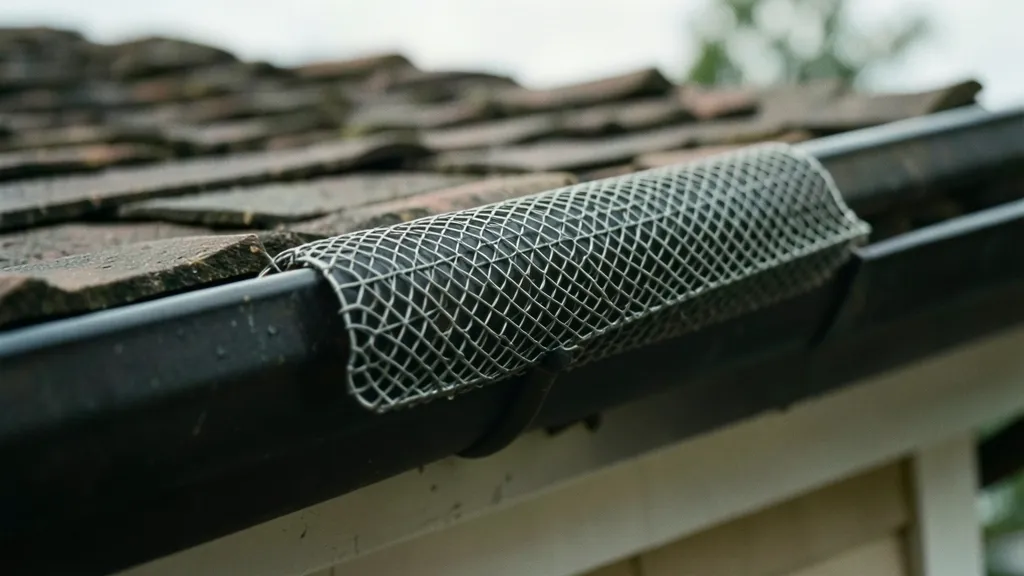
Clogged gutters aren’t just an eyesore—they’re a ticking time bomb for your home. In our area’s humid climate, debris buildup can spiral into roof leaks, foundation cracks, and even structural damage faster than most homeowners realize. We’ve seen firsthand how neglect turns small issues into costly repairs.
Why Johns Creek Homes Are Especially Vulnerable
Our region’s heavy rainfall and dense tree canopy mean gutters fill up fast. Oak, pine, and maple leaves, along with seed pods and twigs, create the perfect storm for clogs.
Seasonal storms in North Georgia can dump inches of rain in hours. Without clear gutters and downspouts, that water has nowhere to go but into your home or yard.
Neighborhoods near the Chattahoochee or in wooded areas like Autrey Mill see even faster debris accumulation. Regular cleaning isn’t optional—it’s a necessity.
The Domino Effect of a Single Clog
A blockage in one section forces water to overflow, pooling against your fascia and soffits. Over time, this leads to wood rot and compromises your roof’s edge.
Water cascading over clogged gutters erodes landscaping and washes away mulch. In severe cases, it can even undermine patios and walkways in Alpharetta or Roswell homes.
The weight of trapped water and debris can pull gutters away from the roofline. We’ve repaired countless sagging sections caused by unchecked clogs.
Overflow from clogged gutters is a leading cause of foundation cracks. In our clay-rich soil, water pools and expands, exerting pressure that can shift your home’s footing.
Pests and Mold: The Silent Invaders
Standing water in gutters is a breeding ground for mosquitoes, especially in the warmer months. Duluth and Suwanee families know how quickly these pests can take over a yard.
Clogged gutters also trap organic matter, which attracts rodents, birds, and insects. Once they nest, they can chew through gutters or even enter your attic.
Moisture from overflow promotes mold and mildew growth on siding and roofing. This isn’t just unsightly—it can trigger allergies and respiratory issues.
Winter Woes: Ice Dams and Freeze-Thaw Cycles
In Johns Creek winters, clogged gutters contribute to ice dam formation. Trapped water freezes, expands, and forces its way under shingles, causing leaks.
The freeze-thaw cycle is brutal on gutters. Water trapped in clogs freezes, then thaws, accelerating rust in steel gutters or warping in vinyl systems.
Downspouts clogged with leaves or pine needles can’t direct melting snow away from your home. This often leads to basement flooding in Peachtree Corners or Roswell.
Ensure gutters are clean before winter hits, and consider adding heat tape or gutter guards to reduce ice dam risks.
Gutter Materials: How Clogs Affect Each Type
Different gutter materials react differently to clogs and moisture. Here’s how they compare in terms of durability and maintenance needs.
| Material | Durability | Clog Resistance | Maintenance Needs |
|---|---|---|---|
| Aluminum | High (20-30 years) | Moderate (can dent under heavy debris) | Low (lightweight, rust-proof) |
| Copper | Very High (50+ years) | High (smooth surface deters debris) | Low (patina protects over time) |
| Vinyl | Moderate (10-20 years) | Low (can crack under weight) | Moderate (prone to UV damage) |
| Steel | High (20-25 years) | Moderate (can rust if not galvanized) | High (requires painting/sealing) |
Signs Your Gutters Are Clogged (And What to Do)
Overflowing water during rain is the most obvious sign. If you see water spilling over the sides like a waterfall, it’s time for a cleaning.
Sagging gutters or gaps at the seams indicate trapped weight. This often requires both cleaning and gutter repair or resealing.
Stains on siding or peeling paint near the roofline are red flags. These suggest water isn’t being directed away properly.
Quick Clog Check
- Inspect gutters after heavy rain for overflow
- Look for water stains or mildew on exterior walls
- Check for sagging or detached sections
- Listen for the sound of dripping water inside walls
Long-Term Solutions: Beyond Just Cleaning
Regular gutter cleaning is essential, but proactive measures can reduce frequency. Gutter guard installation is a game-changer for homes in leafy areas like Johns Creek.
Downspout extensions and splash blocks help direct water further from your foundation. In some cases, French drains may be needed for proper drainage.
For older systems, gutter resealing or resloping can improve water flow. We often recommend this during a roof and gutter inspection.
Businesses in Peachtree Corners or Alpharetta often overlook gutter maintenance. Clogged commercial gutters can lead to costly water intrusion in offices or retail spaces.
When to Call a Professional
If your gutters are over two stories high, DIY cleaning can be dangerous. Our team has the ladders, safety gear, and experience to handle tall or steep roofs.
Severe clogs or damage may require gutter repair or even partial replacement. We assess the entire system, including downspouts and brackets.
After storm damage, a professional inspection ensures no hidden issues. We’ve cleaned up after many North Georgia storms and know what to look for.
How to Safely Check for Gutter Clogs
A quick inspection can save you from costly damage.
- 1Wait for Dry Weather
Never inspect gutters during or right after rain. Wet debris is heavier and slippery, increasing the risk of falls.
- 2Use a Sturdy Ladder
Place the ladder on stable, level ground. For multi-story homes, consider hiring a pro—safety first.
- 3Start at the Downspouts
Check if water flows freely. Use a hose to flush the downspout from the top. If it backs up, there’s a clog.
- 4Inspect the Gutter Trough
Look for visible debris, sagging, or rust. Gently tap the gutter—if it sounds hollow, it may be detached.
- 5Check for Water Damage
Look for stains, peeling paint, or erosion below the gutters. These indicate past or ongoing overflow.
- 6Test the Slope
Pour water into the gutter. It should flow toward the downspout. If it pools, the slope may need adjustment.
Frequently Asked Questions
How often should gutters be cleaned in Johns Creek?
Most homes need gutter cleaning twice a year—once in spring and once in fall. If you have heavy tree cover or live near wooded areas like Suwanee, we recommend quarterly cleanings.
Can clogged gutters cause roof leaks?
Absolutely. Trapped water can seep under shingles, leading to roof leaks and rot. Ice dams in winter often start with clogged gutters, worsening the problem.
How can you prevent gutter clogs?
Regular cleaning is key, but gutter guards can significantly reduce debris buildup. We also recommend trimming overhanging branches and ensuring proper gutter slope.
Do gutter guards eliminate the need for cleaning?
No, but they reduce the frequency. Guards block large debris, but fine particles like pine needles or shingle grit can still accumulate. Annual inspections are still necessary.
Are there signs of gutter clogs I might miss?
Yes. Basement flooding, cracks in your foundation, or even pests like carpenter ants or termites can all stem from clogged gutters. Unexplained water in your crawl space is another red flag.
How do I know if my gutters need repair or replacement?
If you see rust, cracks, or sections pulling away, repair may suffice. For widespread damage, frequent clogs, or gutters over 20 years old, replacement is often the smarter choice. Request a quote for an assessment.